

Dogs


Small Animals


Popular Brands


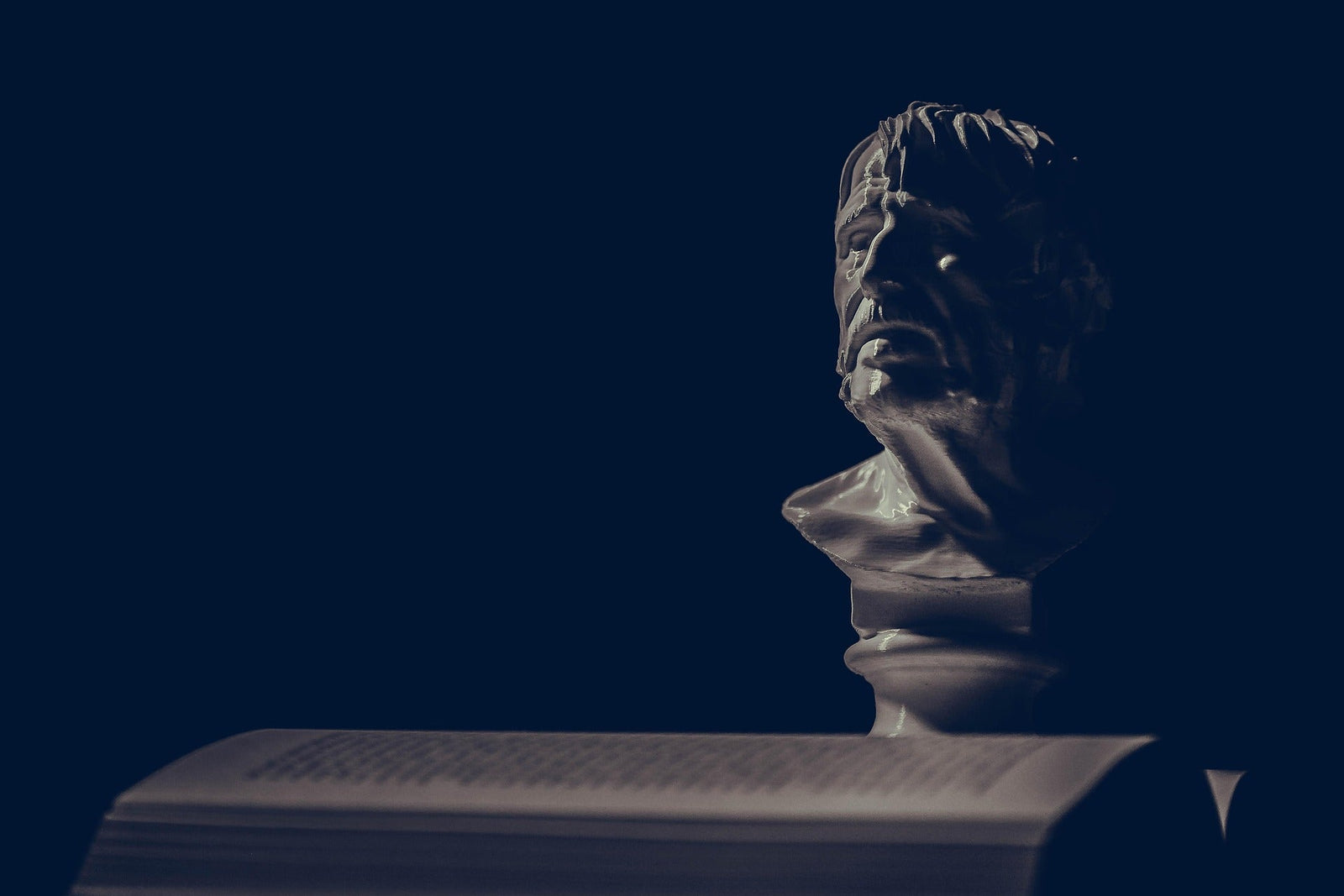

“We suffer more often in imagination than in reality.”
- Seneca, Letters to Lucilius, Letter 13
Halloween makes a whole evening of what might be lurking. A shadow beyond the trees. Footsteps behind us. A shape we can’t quite make out. Our imagination is very good at filling in the gaps.
The Stoic philosopher Seneca explored this in a letter to his friend Lucilius. He described how we can exaggerate a difficulty, imagine one, or begin suffering over something that hasn’t happened yet.
It’s a familiar experience beyond Halloween, too. Before a dog walk, we might already be picturing the difficult encounter. The barking. The looks from other people. We haven’t reached the gate, but in our minds we’ve lived through the whole thing.

Seneca wasn’t suggesting that difficulties never happen. His question was whether we’re experiencing the difficulty in front of us, or one we’ve pictured arriving.
Preparing for a possibility and treating it as a certainty aren’t the same thing. A difficult walk yesterday doesn’t tell us everything about the one ahead.
A thought for Halloween, and something to keep after the pumpkins have gone.
Curious about Seneca? Explore his life and philosophy at The Daily Stoic.